
When Mentors Become Tormenters
How sad it is to see the irrational
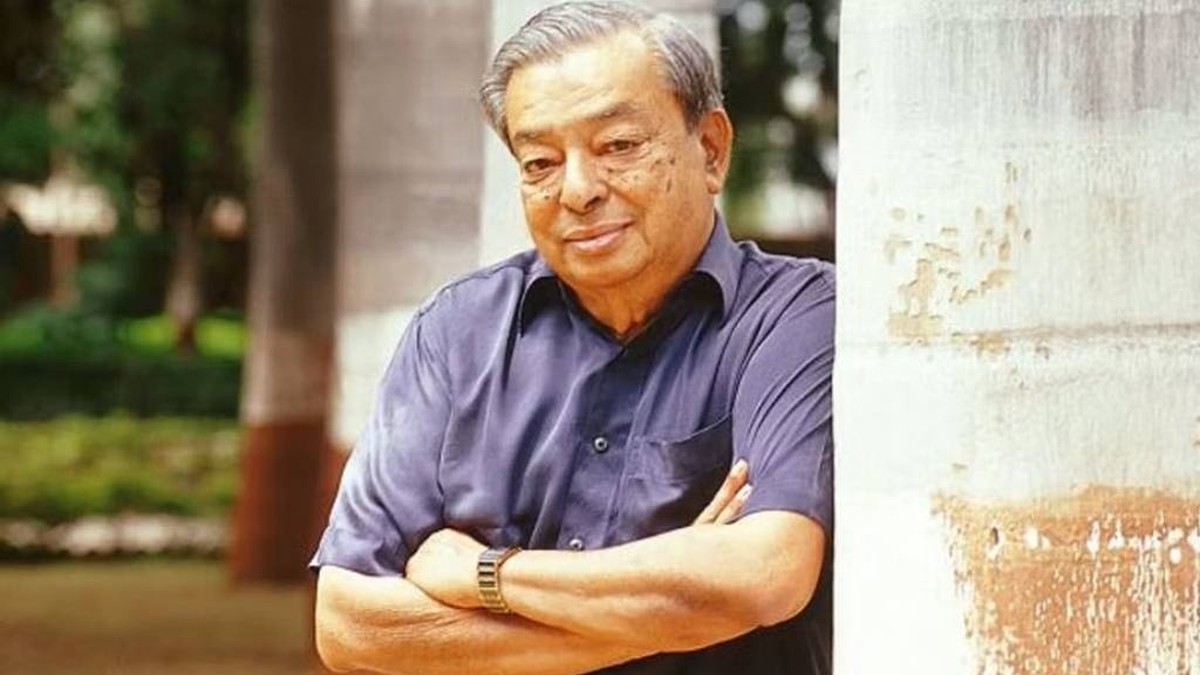
exuberance being exhibited by the 82-year old Dr. V. Kurien, the father
of the White Revolution that has made India the largest milk producer
in the world, the man whose legacy was captured so brilliantly in Shyam
Benegal’s Manthan. Dr. Kurien handpicked his successor at the National
Dairy Development Board (NDDB) and passed the baton as its chairperson
to Dr. Amrita Patel finally in November 1998. whom he had groomed for
over two decades.
Now, he is aggressively opposing his prot�g�’s policies. Mother Dairy
Foods Limited, a wholly-owned subsidiary of Mother Dairy Foods and Vegetables
Limited which, in turn, is a wholly-owned subsidiary of the NDDB, is
to enhbter into a 51:49 with state cooperative federations for the marketing
of milk and milk products. So far, one such joint venture has been signed
in Kerala and others are on the anvil. Dr. Kurien says that this would
destroy the cooperative movement. His real worry, as chairman of the
Gujarat Cooperative Milk Marketing Federation, is that the market of
Amul, a brand owned by the Kaira District Cooperative Milk Producers
Union will be threatened-Amul’s market in Kerala alone is estimated
at around Rs 80 crore.
He is unmoved by arguments that the profits made by the joint ventures
would not be usurped by the concerned state governments. He is also
silent on the fact that the joint ventures will soon be given the flexibility
to be structured as producer companies, deriving all the benefits of
being under the Indian Companies Act, 1956 while retaining the cooperative
principle of one man:one vote. If Amul is to have competition, would
it not be better to have a new breed of Indian companies “milking the
market”? Some of these new Indian companies could well arise in unlikely
places–Bihar, for example, has shown a remarkable increase in liquid
milk production in recent years and its milk cooperatives are a rare
success story. The potential is promising in Uttar Pradesh as well.
In this country, legends and public personalities do not know when to
exit and how to lead their lives when they have exited. Very few have
come out well and indeed the manner of their exits have very often obscured
their magnificent contributions-whether in politics, science and technology,
business, sports or culture. Achutha Menon, the greatest chief minister
Kerala has seen was an exception in politics. After his eventful tenure,
he led a quietly dignified life till his death. Satish Dhawan, who took
over from Vikram Sarabhai and gave shape to the Indian Space Research
Organisation (ISRO) was another rare but shining example of someone
who scripted his retirement in a manner that never cast a long shadow
on his successors. In business, recent examples of those who are attempting
to bring about a new culture of exits are N.R. Narayanamurthy at Infosys
and Ratan Tata in the Tata Group. Among civil servants, instances of
those who retire gracefully and stay retired are very few. Amrita Patel’s
father H.M. Patel,, who was among those who made Dr. Kurien possible
in the first place, himself being an exception. In cricket, Vijay Merchant
gave up prematurely offering this as his reason: it is better to go
with people wondering why is he going, instead of people demanding why
isn’t he going!
What is ironical is that Dr. Kurien is trying to manipulate and use
the very same instruments he treated with contempt during his heyday-the
media, the bureaucracy, ministers and Parliament. Hopefully, the storm
in the NDDB milkcup will pass. But a heavy price might be paid in the
long-run by the erosion of the traditionally arms-length relationship
that has existed between the NDDB and the central government. This is
where the resilience of the organisation that Dr. Kurien so assiduously
built up will be severely tested. In a way, the best tribute to him
would be if it survives the attack that he has himself mounted and maintains
its autonomy and professionalism.